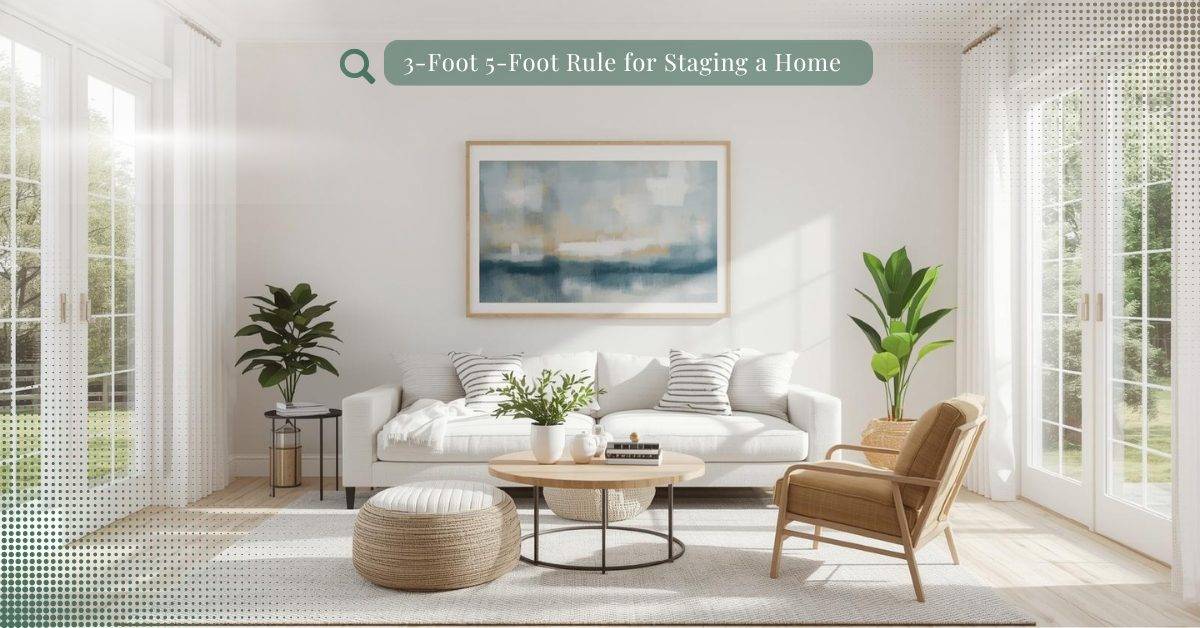
What is the 3-Foot 5-Foot Rule for Staging a Home?

Why First Impressions Are Important When Staging a Home
The market for real estate is very fast-paced, and buyers very often, in the first moments of a home’s viewing, no matter if it’s through online photographs or in person, form their opinion about the property. Different reports from the real estate industry mention that more than 90% of buyers use the internet to start their home search online.
This is where home staging really makes a difference. Staging turns a house that is either occupied or empty into a warm, desirable space that helps people imagine living there in the future. From all the different ways to stage a home, the 3-foot 5-foot rule in real estate is one of the most useful and effective home staging techniques.
This rule tells homeowners, real estate agents, professional stagers, and photographers how to make rooms look great from all angles, from up close to far away. It directly talks about the two main ways buyers see a house: the summary view in listing photos (about 5 feet wide), and the in-depth, hands-on look around during showings (about 3 feet wide).
By following property staging tips like this rule, sellers can get more serious buyers, cut down on the time their home is on the market, and often get higher offers. In this comprehensive blog, we will examine all the aspects of the 3-foot 5-foot rule for staging a home. We’ll show you how to use it room by room, and the interaction with modern tools such as virtual staging will be described.
Table of Contents
What is the 3-Foot 5-Foot Rule?
The 3-foot 5-foot rule is a simple and equally beneficial method for assessing a space during the home staging process. The procedure is that you have to view and enhance every room from two particular angles.
- Three feet away: This is the close-up view that makes buyers notice small details.
- From five feet away: This is a middle-range view that shows how the space is put together and how it feels overall.
A single person didn’t create the rule, but it grew out of how professional stagers did their jobs when staging became a real job in the early 2000s. It is often mentioned as a basic idea in training programs and popular staging certifications put together by groups like the Real Estate Staging Association (RESA).
The rule has been improved over time and shared through workshops, blogs, and books to stagers. It caught on even more when high-resolution real estate photos became the norm, which showed how important it is for rooms to look great at all zoom levels. It is still an important part of any complete home staging checklist and is taught as an important part of interior styling for real estate.
How the 3-Foot 5-Foot Rule Works in Staging
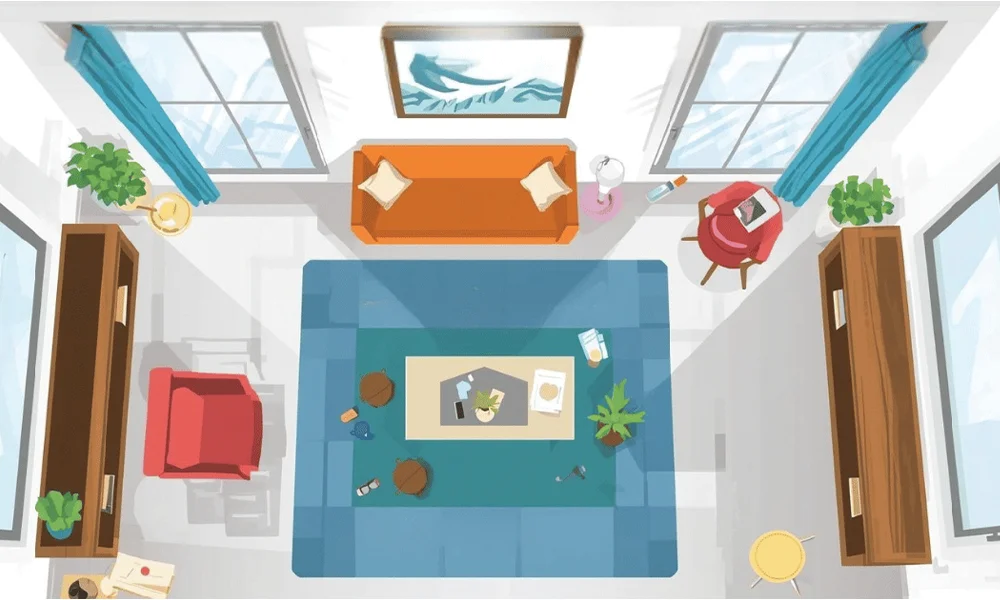
The rule works by considering our views from multiple angles. As a result of constantly switching between the 3-foot and 5-foot opinions, you won’t miss any section of the room.
The 3-Foot Perspective
The 3-foot view focuses close attention on every detail. From this far away, you can see things like:
- There’s dust on the ceiling or shelves.
- Prints on electronics or glass
- Throw pillows or bedding that is wrinkled
- Picture frames are not lined up right
- Stacking outlets or cords that can be seen
These small things may not seem important, but they have a big effect on how much buyers trust you. One small thing that is missed can make you doubt your overall home maintenance.
The 5-Foot Overview
The 5-foot overview makes you think about the bigger picture:
- Balance and symmetry all around
- How traffic moves and how open
- A room’s colour scheme should match.
- The size and arrangement of furniture
- A look at the weight distribution
This view is similar to how most listing photos are put together and how buyers first look around a room when they walk in. From five feet away, buyers will immediately leave a space that feels crowded, jumbled, or off balance, no matter how well the details are done.
When the two points of view collaborate, magic is generated. A room may appear tidy from 3 feet away, but at 5 feet, it may give the impression of being cluttered because the furniture is in the way of moving around. By switching between views, these problems are caught early.
In real estate photography staging, this two-check system is very helpful because photographers need rooms that look great in photos while still feeling real during tours.
The Psychology Behind This Rule
The 3-foot 5-foot rule works so well because it is based on buyer psychology.
People sort visual information in a hierarchy. To begin, we observe the big photo (five-foot view) to judge protection, comfort, and appeal. A harmonious, open layout makes you feel at ease, like you can relax, get excited, or see what the future holds. A messy or awkward set-up, on the other hand, makes customers need to leave as it creates a feeling of pressure.
When buyers have a good first impression, they look at more details (the 3-foot view). Perfect finishes and thoughtful touches here build on the initial good impression and make people more confident in the quality of the property. On the other hand, seeing flaws up close can break trust, even if the room looked great from a distance.
Environmental psychology research backs this up: neat, clean spaces make it easier to think and feel connected to others. When beautiful things surround buyers, they are more likely to overlook small problems. This is where the intersection of home design and personal well-being becomes undeniable. A site like Wellbeing Makeover highlights exactly this kind of connection—how thoughtful changes in your home environment can transform the way you live, feel, and function day-to-day.
The rule also takes into account making choices when you don’t know what to do. Buying a house is an emotional and stressful process, and buyers want to feel safe every step of the way. When you follow the 3-foot 5-foot rule, you can have that all-important “this feels like home” moment.
How to Apply the 3-Foot 5-Foot Rule Step-by-Step
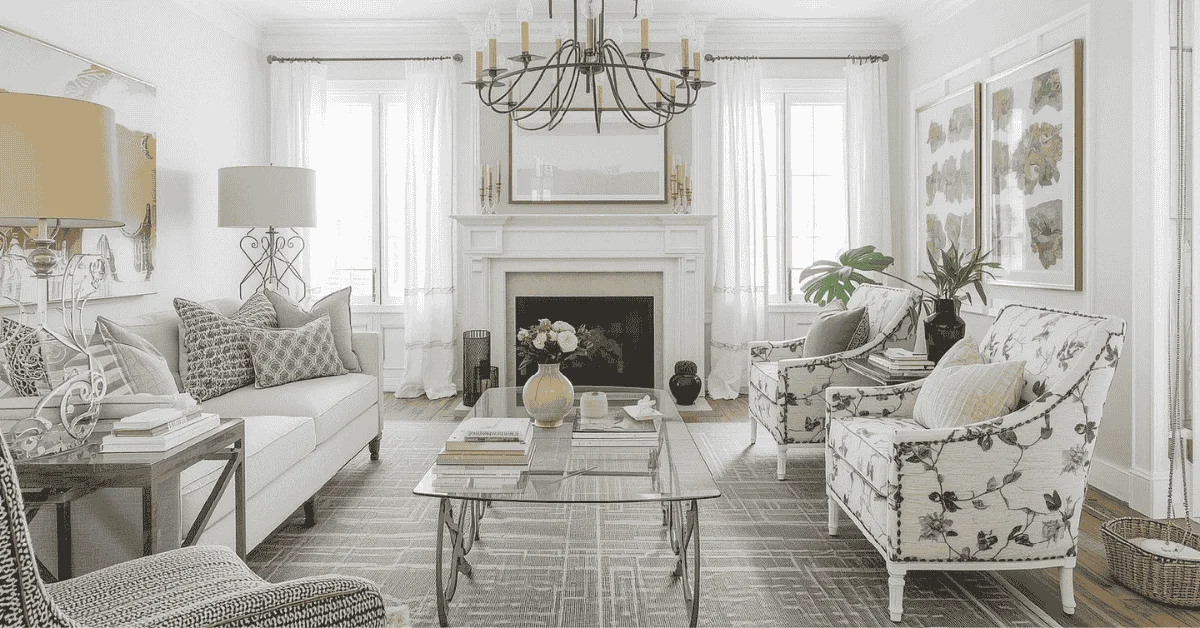
Following the rule is simple; you have to be disciplined to do it. Repeat every room several times, moving from one end to the other. Here is a detailed list of the most critical parts.
Decluttering
Decluttering is the first component that needs to be completed.
- At 3 feet: Take out any personal pictures, extra mail, toiletries, or small home equipment. Make sure every surface is clean to show off good finishes.
- At 5 feet: Look over the remaining items. Does the room have a lot of air? Try to get rid of 30–50% of your things. In living rooms, only put 3–5 carefully chosen items on the coffee table.
The kitchens benefit the most—leave the counters empty except for a bowl of fresh fruit or one or two high-end appliances.
Lighting and Color Choices
Colour and lights have a big impact on mood.
- At 3 feet: Clean the furnishings really well. Get rid of any burned-out bulbs and make sure the tones are warm and constant (2700–3000K). Do not cast harsh shadows on surfaces.
- At 5 feet: Use a mix of overhead, table lamps, and natural light to make the light even. Symmetrical lamp pairs create balance.
When it comes to colour, pick neutral walls that are set back 5 feet. This will let the furniture and accents stand out. Soft textures, like linen pillows, make things more interesting up close without being too much from far away.
Furniture Placement
Furniture placement rules are very important.
- At 3 feet: Check that each piece is smooth, instantly, and in good shape. Straighten the legs and fluff up the cushions so the distance feels easy and welcoming.
- At 5 feet: Check how the room flows. Arrange furniture so people can speak effortlessly and move around without difficulty. Keep walkways at least 36 inches wide, and pull furniture a bit away from the walls to make the room feel extra open.
In the bedroom, place the beds and matching nightstands on the number one wall for a balanced look. In the dining room, center the desk and test that the chairs don’t block any paths.
Visual Flow and Pathways
A good flow makes it easy for buyers to move through the house.
- At 3 feet: Make sure rugs are lined up correctly and that the changes between types of flooring are clean.
- At 5 feet: Ensure there are clear paths and lines of sight. In open-concept rooms, you could set up fixtures to create zones without putting up walls.
In entryways, leave the path to the main living area extensively open to inspire people to go searching.
Accessorizing and Focal Points
Personalizing with accessories doesn’t cause a mess.
- At 3 feet: Pick high-quality, neutral items like fresh flowers, books stacked, or beautiful vases. Not to say or do anything too personal or trendy.
- At 5 feet: For dynamic balance, set up add-ons in strange numbers (3s or 5s) and of various heights. Use fireplaces, home windows, and other architectural features as natural focal points.
A single plant and rolled white towels in the toilet create a spa-like ecosystem that may be seen from a long way away.
Real-Life Examples in Real Estate Photography
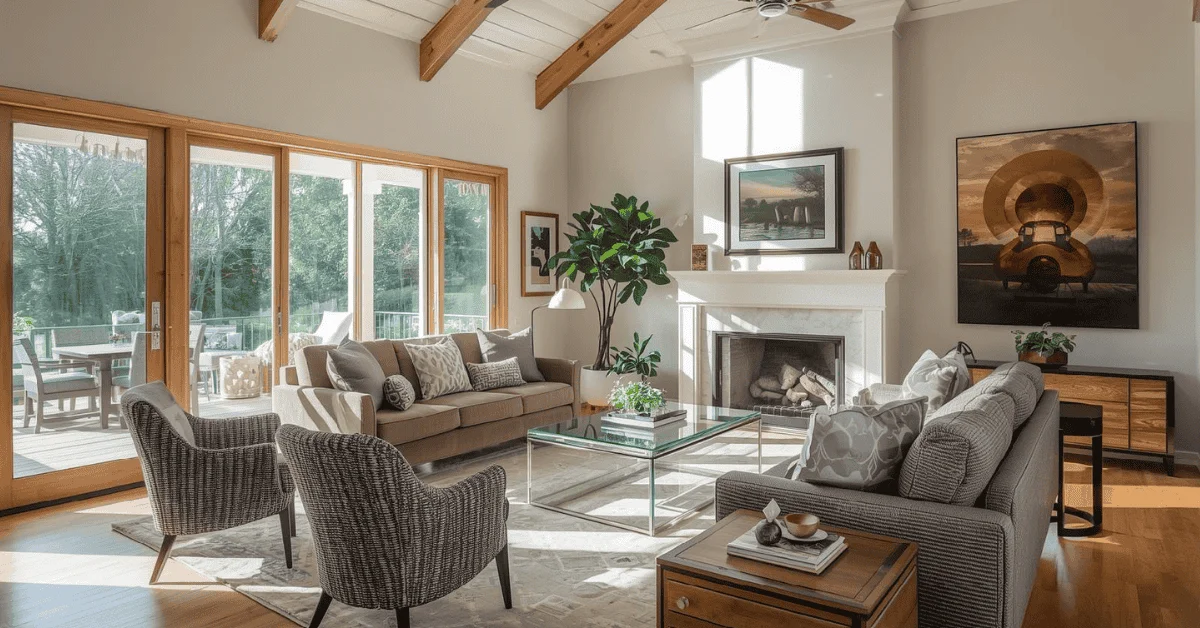
Before-and-after pictures show how the rule has changed things the most.
Take a look at a typical living room before staging. At 3 feet, give up tables full of remotes and magazines take up most of the space. At 5 feet, large fixtures fill up the room and make it feel small.
After following the 3-foot 5-foot rule, surfaces are clean and styled with just a few books and a plant that is the right height for them at 3 feet. The furniture is moved around to make a balanced conversation area with 5-foot-wide open paths. Photos look bigger, brighter, and more appealing.
In kitchens, pre-staging often places dish racks, sponges, and personal items 3 feet away, and chairs that don’t match 5 feet away. Post-staging includes clean counters with few decorations and seats that are lined up so that pictures look like they belong in a magazine.
In the same way, bedrooms change: wrinkled sheets and nightstands that are too full give way to hotel-crisp linens and symmetrical styling.
Professional photographers and stagers use the rule as a final checklist before every shoot. This makes it much easier to edit photos without having to do as much work.
Common Mistakes to Avoid
Even sellers with a lot of experience make mistakes that break the rules.
- Overdecorating: Most of the time, people overdo their decorating. Having too many pillows, artwork, or different small items makes the view from 3 feet noisy and cluttered from 5 feet away.
- Ignoring small details: During a close inspection, customers lose faith while sellers forget about small things like pet hair, scuffed baseboards, or dead plants.
- Inconsistent styles: Different styles in different rooms get in the way of the 5-foot flow. Putting together very modern and country elements makes the story less clear.
Poor lighting fixtures that cast unflattering shadows, blocked paths that make it tough to move, and strong smells which can be too strong up close are some other problems that can happen.
Use a systematic home staging checklist to take away those troubles: observe each room from both inside and outside, ideally with clean eyes (or the help of a friend).
Using the Rule in Virtual Staging
Many homes are sold empty these days, which is making virtual staging more and more popular.
In digital staging, the 3-foot 5-foot rule works just fine. When virtual designers add furniture and decorations, they have to make sure that the textures, shadows, and scale make the items look real up close, while also making sure that the layouts look good from wider angles.
PixelShouters is the leader in this field; they offer high-quality PixelShouters virtual staging services that strictly follow the 3-foot 5-foot rule and other visual balance in staging principles. Their team fills empty rooms with photorealistic digital furniture, making sure that pillow textures look soft at “3 feet” and furniture proportions feel natural at “5 feet.”
Paying attention to details from two different points of view helps empty homes compete with occupied ones, which leads to more interest and faster sales. PixelShouters also offers free editing for real estate photos to improve lighting, get rid of flaws, and make every shot perfect.
Benefits of Following the 3-Foot 5-Foot Rule
There is a lot of evidence that the benefits are substantial:
- Homes that have been staged tend to sell 70–80% faster than homes that have not been staged.
- Higher offers: Buyers think that staged homes are better taken care of, which is why they are sold for more.
- Better pictures: Compositions which are nicely-balanced get more views and questions online.
- Wider appeal: Neutral, well-balanced rooms appeal to an extensive range of buyers.
- Better experience: Buyers experience emotionally linked, which makes them make stronger offers gives with fewer situations.
These real estate presentation tips give sellers and agents a measurable return on investment.
Combine It with Other Staging Principles
The 3-foot 5-foot rule works excellently when used with other laws that go along with it.
Rule of Thirds in Photography
Place important things, like sofas or art, along the lines of imaginary thirds to make compositions more interesting and natural.
60-30-10 Colour Rule
Give walls 60% of the dominant colour, 30% of the secondary colour (furniture), and 10% of the accent colour (décor) for easy harmony that can be visible from 5 ft away, with accents including interest up close.
Lighting Symmetry
Use lamps or fixtures that match to make even lighting that makes both distances look better and increases the sense of value.
When you combine these ideas, you get professional results with many layers.
Conclusion
The 3-foot 5-foot rule is still one of the most beneficial tools for home staging because it takes into consideration how buyers actually see homes from all angles and in any respect of the decision-making process.
By carefully adjusting small details up close and making sure the whole seems good from a distance, you can create areas which can be captivating online, stunning in individual, and promote fast.
This rule makes sure that the outcomes are constantly expert, whether the staging is completed in real-life or online.
Are you ready to make people want to buy your listings? PixelShouters can help you with virtual staging and editing photos for real estate listings. Their team knows everything there is to know about visual balance and can turn ordinary images into ones that make people want to buy. Get in touch with PixelShouters right away and see how well your properties look.
Frequently Asked Questions
What does the 3-Foot 5-Foot Rule mean?
It’s a staging rule that looks at rooms from 3 feet (details) and 5 feet (overall balance) to make spaces that look good and flow well together.
Who Does Home Staging Use It?
It’s what homeowners, real estate agents, professional stagers, interior designers, and photographers use to get the best results.
Does this rule work for virtual staging?
Yes, digital services like PixelShouters use it to make sure that the textures and compositions are realistic.
What does it mean for real estate photography?
It gets rooms ready for beautiful, accurate pictures that get lots of clicks and show what the room is really like.
How Hard Is It to Learn the 3-Foot 5-Foot Rule?
No, it’s easy to understand. Anyone can get good at it with practice, and they’ll see results right away.
The 3-foot 5-foot rule is more than just a technique; it’s a way of thinking about how to present a home beautifully. You can count on PixelShouters to give you this level of accuracy when you need to do virtual staging or edit photos. Get in touch with us right away to take your listings to the next level.