
More Than a Face: How 15 Influential Portrait Photographers Captured the Human Soul

What makes a portrait to something more than an ordinary picture? A connection, a story, a moment of truth forever captured. It’s the photographer’s capacity to see through the exterior and shed light on something important about the subject at hand.
The world of photography has many talents, but a handful have the ability to influence how we view the face of humanity. Here are some of the greatest portrait photographers who have set the bar high.
Everyone loves a good portrait, and every photographer would love to be known as a portrait photographer! From those moody, high-contrast studio portraits we see from the old masters, to the raw naked candids we get from modern artists… Everyone is passionate about getting to know a person through the art of a photograph.
The list of photographers here has something in common. They are technicians, yes, but they are also storytellers, psychologists and historians. They’ve photographed presidents, rock stars, royalty, and also the common folk of the streets. And in each case, they produced a classic.
This isn’t just a list of great photographers. It’s a history of modern photography through the eyes of those who shaped it! Here you can find leading lights from the masters of portraiture to those who boldly broke the rules and shaped a new mode of photography.
Some of the greatest and most recognizable images of the last century were made by those who humanized the camera and breathed life and art into the demands of modern portraiture. Meet the visionaries, the makers, and the great humanists—these are some of the most famous portrait photographers of our time.
Table of Contents
The Greats of the 20th Century: Our List of Influential Portrait Photographers
The masters on whom modern portrait photography was established, who defined our modes of shooting, lighting and directing a look in the modern age.
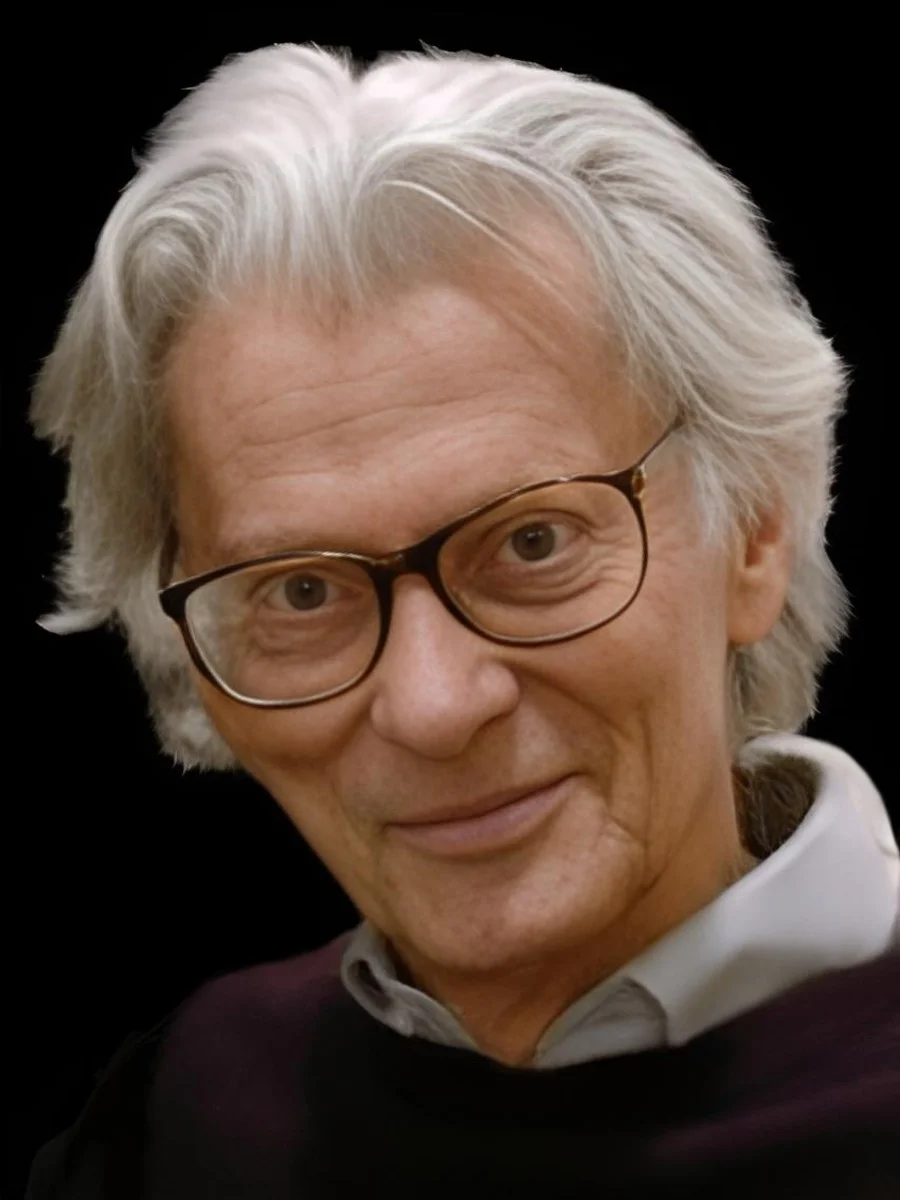
1. Richard Avedon (1923-2004)
A Revolutionary Style
Richard Avedon began his professional life shooting fashion. but soon, bored with the wooden, lifeless poses of most fashion work, he brought a sense of life and speed, coaxing models to run, jump, shout, and be turned loose. This sense of dynamism flowed into his portraiture, where he was one of the first fashion photographers famous for portraits that felt alive and unguarded.
It was an approach surprisingly simple, devoid of glamour. By photographing against a flat white background, he stripped his subjects of all containers of wealth, station and place. A celebrity was no more heroic than a coal miner.
It was a vaguely democratic way of making you meet the person, not the trappings, to see the weaknesses of the skin and soul in that someone exposed.
Iconic Works and Lasting Impact
Some of his most famous projects are The American West, where he spent five years photographing working people on and off the job, from drifters to servers to miners, in a brutally honest series of images that document the raw beauty of life’s starkness.
His celebrity portrait work is equally powerful, from the unflattering shot of the Duke and Duchess of Windsor to the heartbreaking study of a vulnerable Monroe. Avedon showed that a portrait need not just be a work of art, but a private psychological document. He is one of history’s greatest influential portrait photographers.
2. Yousuf Karsh (1908-2002)
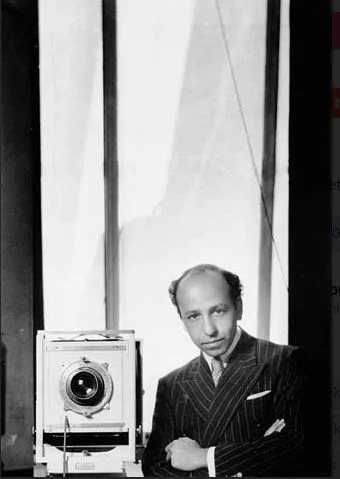
If Avedon stripped his subjects, Yousuf Karsh built them up. Known as “Karsh of Ottawa,” this tutor of dramatic studio lighting created heroes on the block—they were respectful, larger than life, and are arguably among the most famous photographers of portraits to emerge from the 20th century.
The Architect of Light
Karsh, held that in every man there lives a secret, and that it was his task to find that secret. The tool he chose for that task was light. He would set up the studio lights to carve his subject’s face, using light and shadow to convey weight, wisdom, and authority.
A classic example is his portrait of Winston Churchill, taken in 1941, soon after Churchill had delivered a speech to the Canadian Parliament, when he was “not in the mood for having his picture taken.” After Karsh had struggled to secure the photograph he desired, he plucked the cigar from Churchill’s mouth, provoking an angry scowl that has come to symbolize our memories of the illustrious wartime leader, and produced one of the most widely published photographs of all time.
A Legacy of Greatness
Karsh photographed twelve US presidents, four popes, and an endless parade of artists, scientists, and world leaders, including Albert Einstein, Martin Luther King Jr., and Audrey Hepburn. The archive reads like a who’s who from the twentieth century. Karsh’s style is the purest example we have of the great classic style of portrait photography.
He rises to the rarest heights in classical portraiture, finding both the power in the subject as well as the humanity. He is undoubtedly one of the greatest portrait photographers of all time.
3. Diane Arbus (1923-1971)
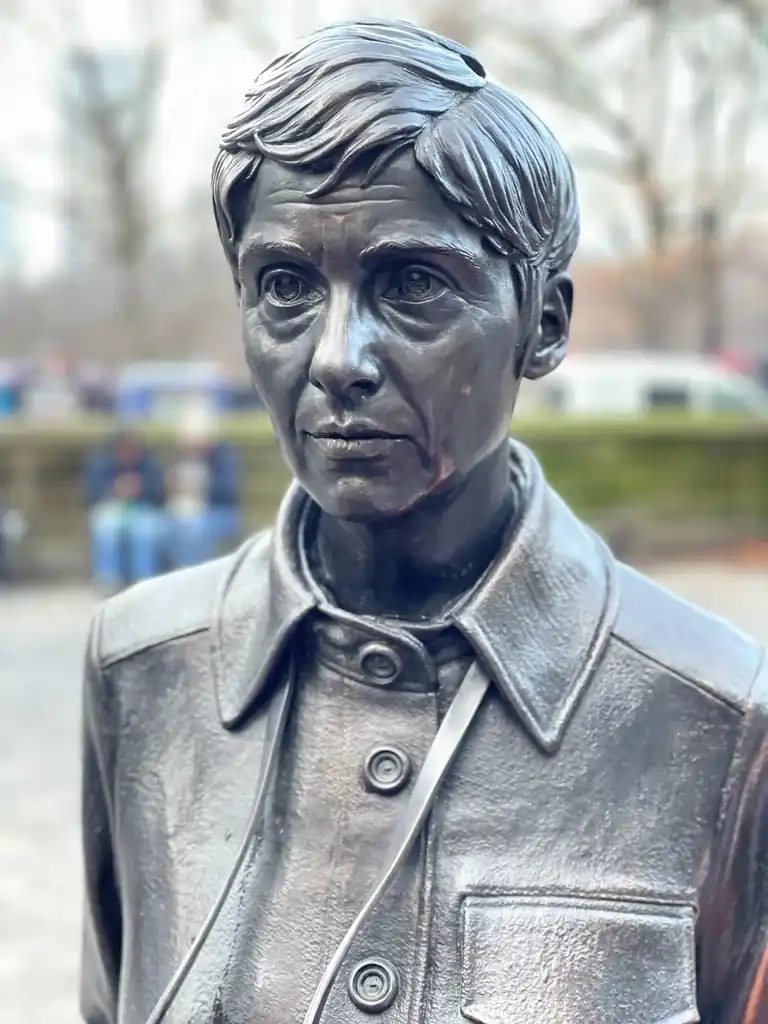
Diane Arbus was interested in the mainstream outskirts – she made portraits of freakish individuals living at the fringes of society, she worked with nudists, gay couples, giants, trans people, looking at them not with pity but as a fascinated friend.
Seeing the Flaw
Arbus believed that everyone had a “flaw”—a discrepancy between who they are and who they think they are—that her camera could detect; her portraits are confrontationally deadpan.
Her subjects gaze right through the lens into the camera, insisting on contact with the viewer, almost nakedly intimate. She used primarily a square format Rolleiflex camera, which required her to move in close physically to her subjects and look down into the finder.
The act of talking, “bowing” to her subjects, may contribute to the feel of her work being collaborative and respectful, even when she is photographing something shocking. She is one of the most discussed influential portrait photographers, quite simply because she raises so many questions about the relationship between photographer and subject.
A Controversial Icon
Arbus has her detractors. Many have accused her of exploitation, while others glorify her for giving voice to the voiceless. No matter where your sympathies lie, we have to have the same attitude towards her images. Few pictures blend compassion with performance so deftly.
Arbus’s Identical Twins, Roselle, New Jersey, 1967, is a masterclass in psychological shift, capturing what every mother knows: that twins aren’t quite so identical after all. Like a great composer, she took many of the conventions of portraiture and stretched them to their breaking point, making her one of photography’s most fearless and iconic portrait photographers.
4. Irving Penn (1917-2009)
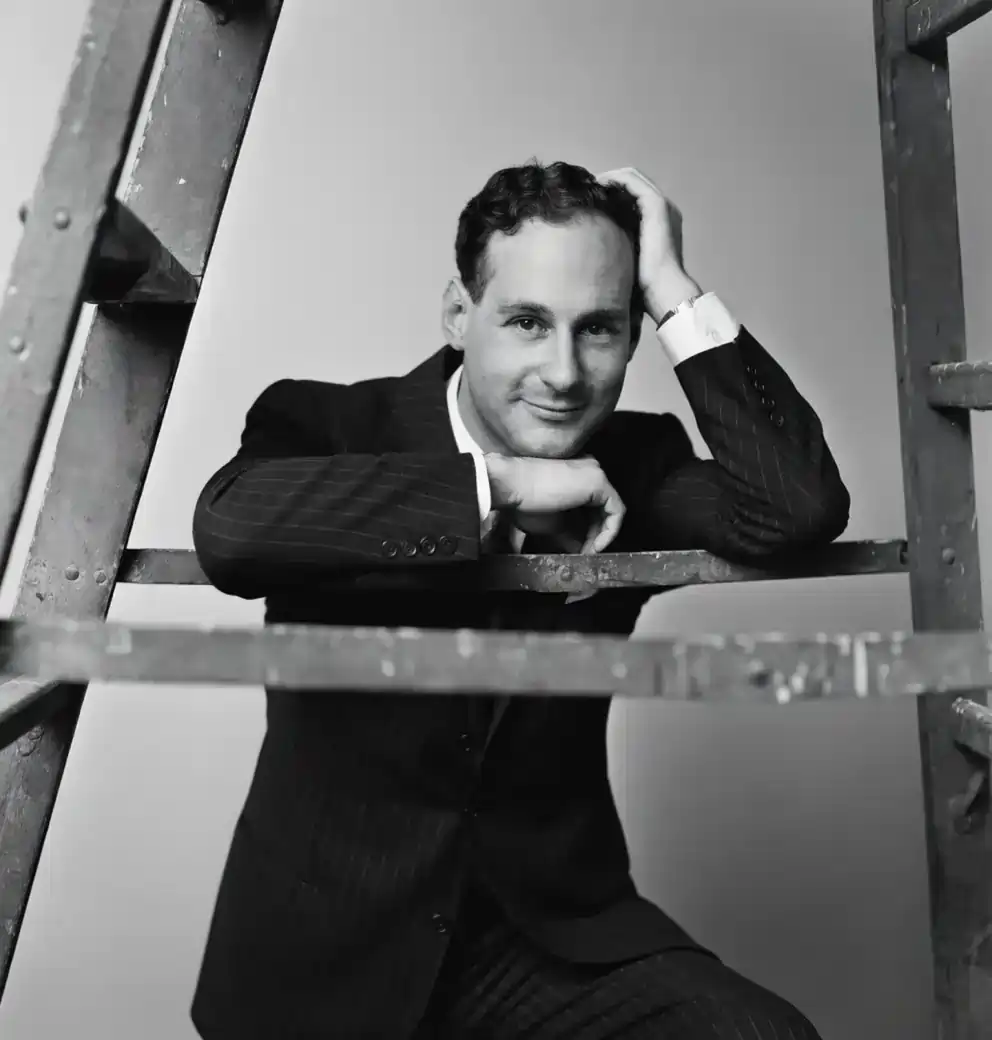
Irving Penn was similarly spare, though his photographs—like his person—had a quiet elegance all his own. Unlike Avedon, he often used plain grounds, but his people tended to have a classical, sculptural quality.
His restless eye roamed, everywhere finding foreground and background—a celebrity here, a Peruvian peasant there, a cast-off cigarette butt somewhere else.
The Corner Portrait
Perhaps his most famous gimmick was his “corner portrait” series. He invented a simple set of two studio flats pushed together to form a sharp corner and had Capote, O’Keeffe, Tracy, and other sitters pose in the sharp angle of this corner space, which had a built-in psychological pressure that brought out interesting aspects of the subject.
Penn was also a virtuoso of the print, a master of the platinum-palladium relationship—“glorious prints, every one” in the words of a member of his staff. Prints that provide the eyeball with a scroll of a hundred acres of “visual,” and whose “rich broad tonal range” underlined their sense of “permanence,” made Penn’s portraits appeal to our perception of painting.
From Fashion to Fine Art
Although he was one of Vogue’s most desirable fashion photographers for decades, Penn’s real commitment was to his personal work. His series of tradespeople in Paris, London, and New York, the portraits he made in Cuzco, Peru, of indigenous people, are afforded the same dignity and pictorial care as his portraits of the rich and famous.
It is this ability to find the beauty and character in any subject that gives him the title of portraitist par excellence, making him one of the most renowned portrait photographers.
The Living Legends: Today’s Most Influential Portrait Photographers
These photographers are still working today, continuing to push the medium forward with their unique visions and innovative approaches.
5. Annie Leibovitz (b. 1949)
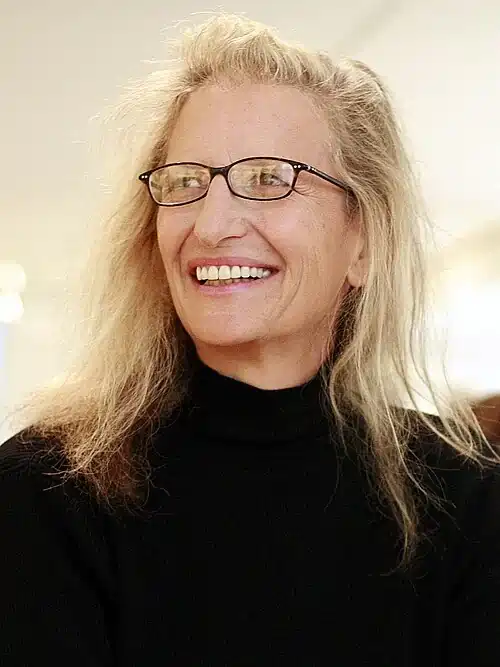
Arguably the most famous portrait photographer alive today, Annie Leibovitz’s work is characterized by a dramatic style, which sees celebrity subjects transformed into characters from an epic story.
Master of the Narrative Portrait
Leibovitz began her career in the 1970s as a photojournalist working for Rolling Stone; her intimate, unguarded pictures of touring rock stars helped set the look of an era. Working later for magazines like Vanity Fair and Vogue, her pictures became more staged and cinematic.
A Leibovitz portrait is a collaborative work. She interviews her subjects, searching for a concept, a story, that might cast light on their life and character on and off screen. The pregnant nude portrait of Demi Moore that Leibovitz shot for Vanity Fair was as revolutionary as the photographs were famously unretouched.
Cultural Chronicle
Leibovitz’s most famous image is perhaps the last portrait ever taken of John Lennon before he was shot dead. Naked and vulnerable, Lennon curves himself protectively around Ono, who sits at rest, clothed, serene in his embrace. From the Queen of England to the crew of The Sopranos, Leibovitz has photographed everyone who’s anyone in modern life. In the process, she has chronicled modern culture, becoming the preeminent portraitist of her age.
6. Steve McCurry (b. 1950)
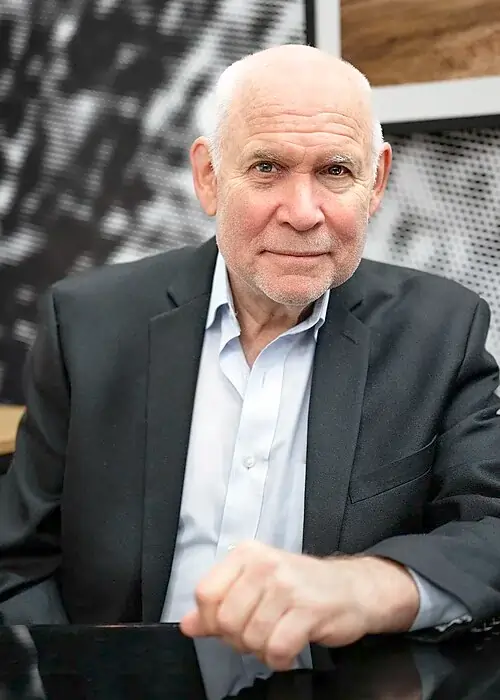
Steve McCurry is a photojournalist, but his work transcends the genre. In conflict and chaos, he finds moments of quiet dignity and pure humanity. He is best known for his work in South and Southeast Asia.
The Power of Colour
McCurry is a master of colour. Significant colour pervades the work and gives rise to a heightened sense of reality. Colour animates the figures. Compositions generally are complex, pushing the frame to the edges of acceptability, but the human element always stands out.
His method is one of quiet quiet thinking. He will wander the streets of a town for days, waiting for the moment to come. “I look for the unguarded moment,” he explains about capturing faces, “when there is no mask on the face.”
Afghan Girl and Beyond
The most famous of all of McCurry’s famous photographer portraits is Afghan Girl, an astonishing photograph of the young refugee with the startling green eyes taken in a Pakistan camp in 1984. A symbol of refugees the world over, it is one of the most famous photographs ever taken.
While one image defines his career, for many of us, the key to the entire body of work is a tribute to the strength of the human spirit and his ability to find the universal in the specific. He is, as a result, one of the most popular portrait photographers.
7. Sebastião Salgado (b. 1944)
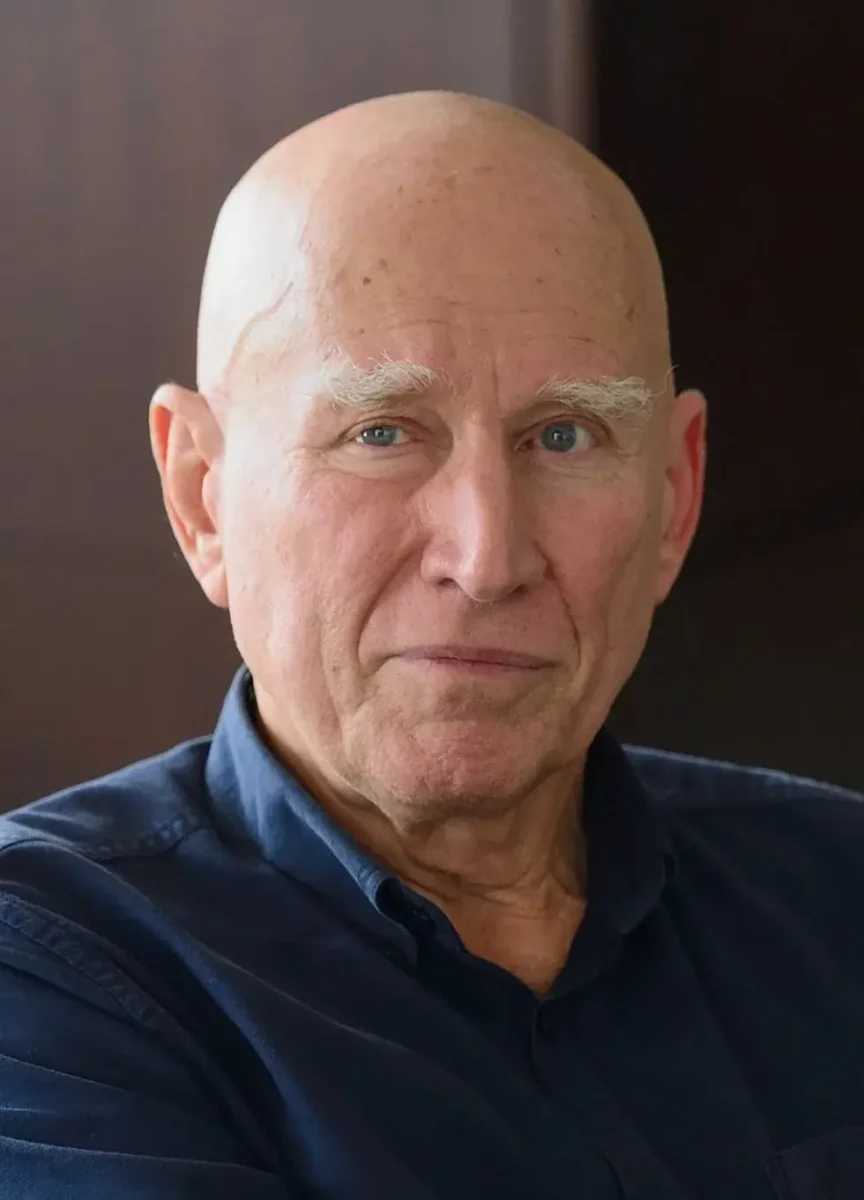
Sebastião Salgado is not simply a photographer; he is a social documentarian. For decades, he has criss-crossed the globe recording the lives of the struggling people and the forgotten.
A Grand, Epic Scale
Salgado works on epic-scale, longer-term projects. Salgado’s series Workers chronicled manual laborers around the globe. Migrations followed the mass movements of people fleeing poverty and war.
Genesis is a celebration of the planet’s few last remaining untouched places and the people who live there. He shoots only black & white, using a classic Leica film camera. His work has gorgeous tonality with a cinematic feel. Colour is a distraction, making you focus on the form, texture, and emotion of the image.
An Advocate for Humanity and the Planet
Salgado’s photographs are heartbreaking, but they’re never hopeless. They are filled with an obvious immense dignity and respect for their subjects. They have a sense of agency. He doesn’t present them as victims but as epic actors. He urges action and activism towards modern catastrophes with his work. He’s probably the most important and well-known portraitist in the world for a good reason.
8. Platon (b. 1968)
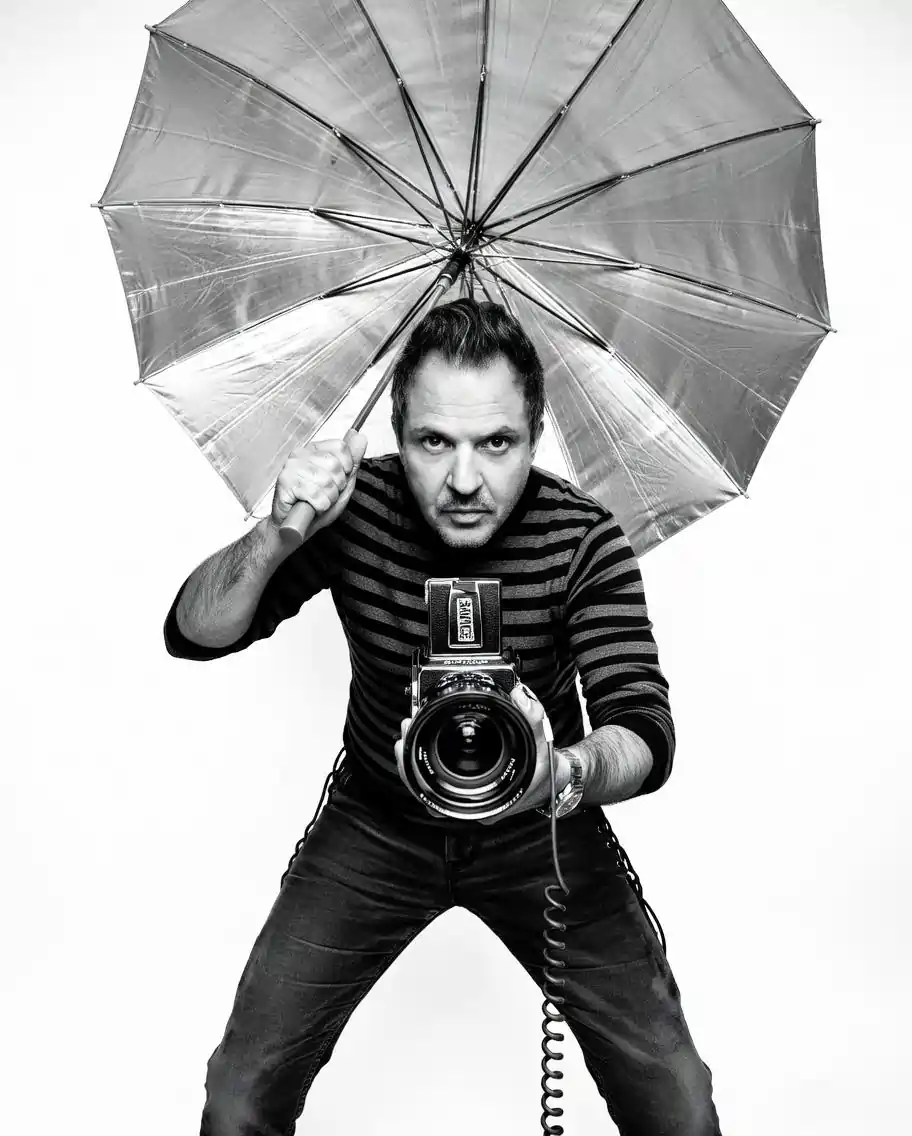
Platon, whose last name is Antoniou, is known for his bold, graphic style and his instantly recognizable portraits. He shoots with a wide-angle lens, getting in very tight, and his images are intense, intimate, and wholly undemonstrative.
Up Close and Personal
Plato’s method is all about breaking down barriers. Pretenses are left in the car, and he leans in close; the camera is very close to the subject and can be uncomfortable to the sitter, and within that moment of discomfort often comes the ‘shot’. In Plato’s words, “I’m looking for a flicker of truth.”
In service to publications like The New Yorker, Time magazine, and The New York Times Magazine, he’s crossed paths with many of the world’s most powerful leaders. The portrait of Vladimir Putin he shot for a Time cover is brutally straightforward in its use of edgy lighting and tight cropping to create menace.
A Human Connection
Despite the intensity of his visuals, Platon is always looking for a human connection. He launched The People’s Portfolio, a non-profit foundation using photography to document human rights leaders and icons of Civil Rights around our beautiful planet.
Whether he’s shooting a world leader or a Congolese rape survivor, his same touch goes into powerful, respectful portraits that tell a story. Few modern portrait photographers famous could draw from such different sources to create a body of work that speaks volumes.
Modern Trailblazers: Iconic Portrait Photographers of the 21st Century
These pioneering photographers are changing the face of portraiture in the 21st century with new tools and ideas about identity, community and beauty.
9. Rineke Dijkstra (b. 1959)
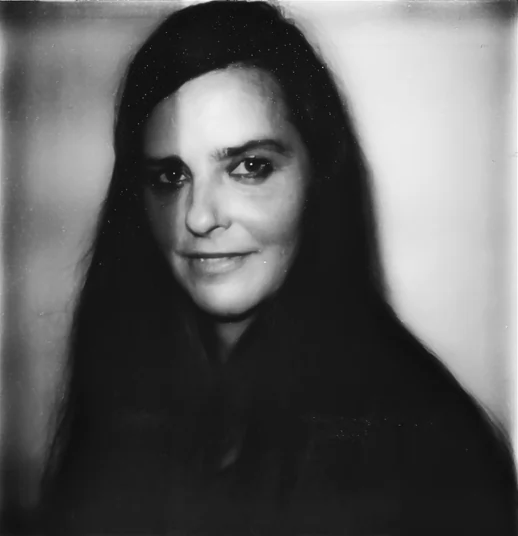
The Beauty of Awkwardness
Dijkstra often photographs her subjects at points of change or transition; she has youth on a beach, new mothers with their babies, a bullfighter after a fight. Dijkstra’s subjects are frequently formal, standing, staring into the lens, but they also possess a strong awkwardness and lack of awareness.
She uses a large format camera, and because a long time of exposure is required, her sitters have to become quiet and thoughtful, and the camera also registers these slight changes in attitude, but not so much that they pass unnoticed by our faculties. The impression is that of vast intimacy, psychologically revealing.
Long-term Studies
One of Dijkstra’s best-known projects, a series of portraits of a Bosnian refugee named Almerisa, who she photographed over the course of more than ten years, is a remarkable record of a young woman growing into a Westernised young mother from the displaced child we see in the early pictures. Dijkstra’s watching manner makes her one of the most subtle thinkers working as a portrait photographer today.
10. Alec Soth (b. 1969)
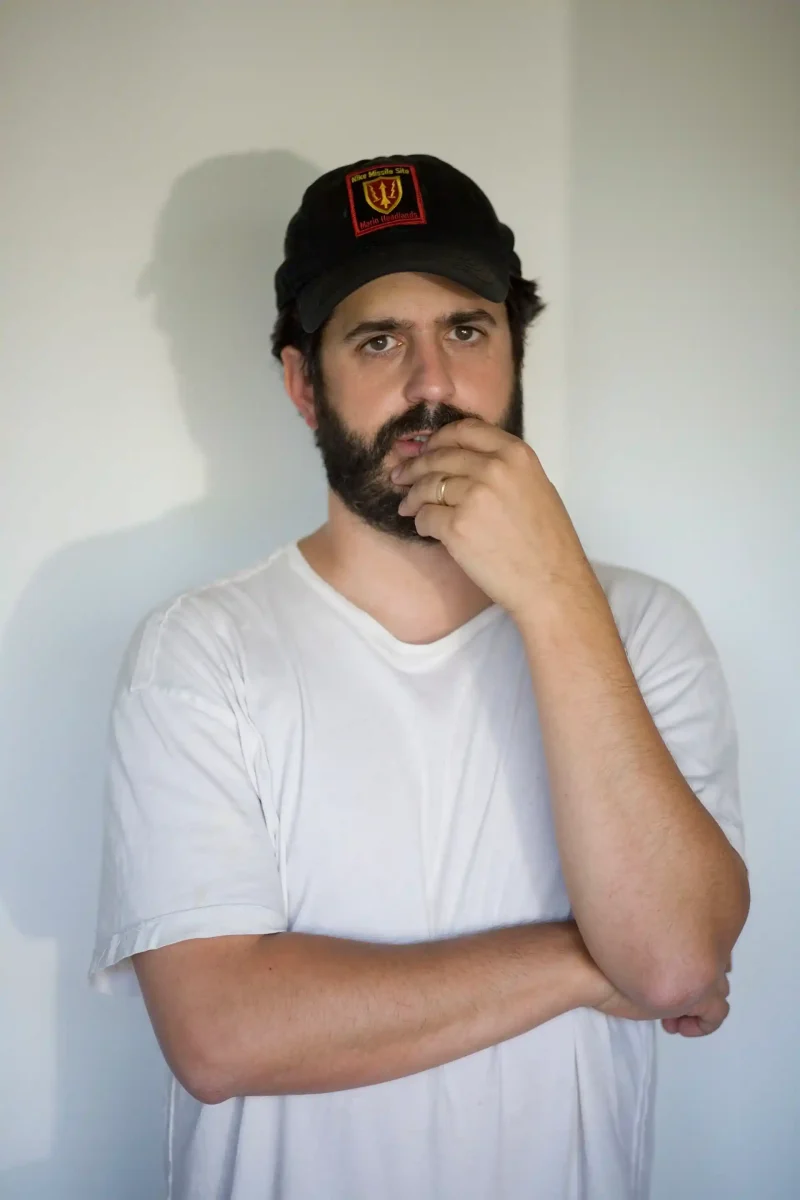
Alec Soth is a photographic storyteller who finds poetry in the everyday. A member of Magnum Photos, Soth is known for his large-scale projects exploring American life through the prism of people living on the edges of society.
A Lyrical Documentarian
Soth’s work is often compared to that of people like Robert Frank and Walker Evans. In this work, Soth, too, claimed the road trip for his own. Similar to Frank and Evans, his breakthrough series, Sleeping by the Mississippi, followed the course of a river—the Mississippi River—to turn the pictures of a collection of dreamers, lonely souls and eccentrics.
Using an 8×10 large format, Monteith shoots these images in a beautiful, detailed way, and the slowness of the camera yields an engagement with his subjects. His portraits are naturally quiet – a little slightly sad, a little wistful.
Finding Connection
These are tender portraits made by someone not looking to make grand statements about the world but rather small moments of connection and community—of desire in the lonely openness of America—we are in the presence of one of the most famous modern photographers of portraiture.
11. Gregory Heisler (b. 1954)
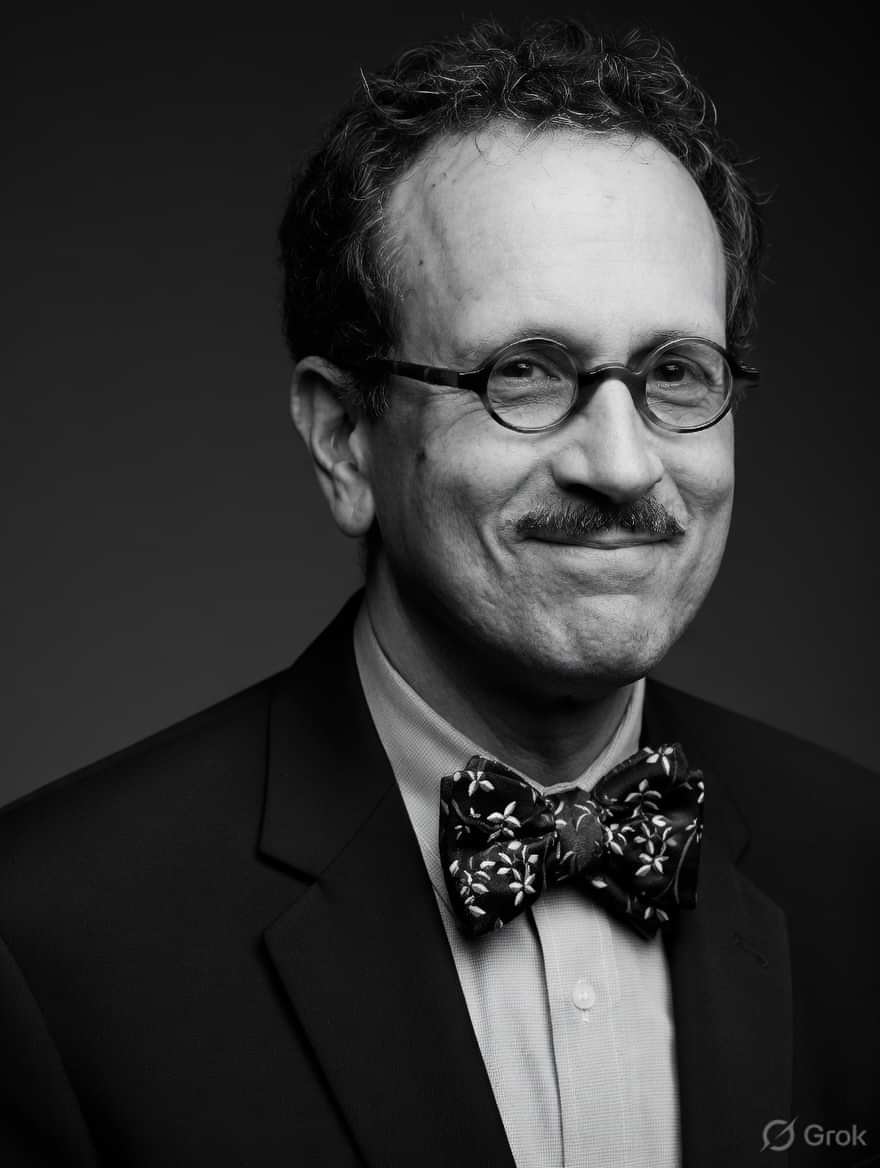
Gregory Heisler is a technical master and creative force, capable of making beautiful, brilliantly conceived portraits. A photographer’s photographer, respected for his ingenious lighting and style.
The Thinking Man’s Photographer
A Heisler portrait is rarely just a likeness: it is an idea. He has, he says, spent life in thinking out his subjects, planned an idea for every face he has ever photographed—a complicated lighting system, an in-camera effect.
His brilliant portrait of New York City Mayor Ed Koch, superimposed over the Brooklyn Bridge, or his multiple-exposure portrait of Bruce Springsteen, indicate the unusual combination in him of technical director and lens poet.
An Educator and an Icon
Heisler has created more than 70 covers for Time and has had numerous features published in other magazines. As a professor at the Hallmark Institute of Photography and Syracuse University, Heisler shares his love of the craft with another generation of photographers. Both technical and artistic, Heisler is one of the most sought-after and best-regarded photographers in the portrait world.
12. Albert Watson (b. 1942)
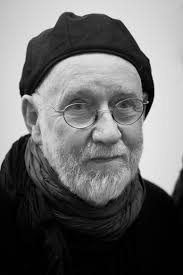
Albert Watson is Scottish. Graphic in impact and diverse in expression, he has been one of the world’s most sought-after commercial image-makers for almost half a century. Still, he has always retained the sensibility of a fine artist.
Graphic and Bold
Watson is blind in one eye and says it has conditioned him to see in a very graphic, two-dimensional way. His compositions are stark and bold, full of line, shape, and contrast. He has shot more than 100 covers for Vogue and countless campaigns, but his work is never commercial, in the sense that politics is a mouse in a cat’s paw.
He is one of that rare breed who can shoot fashion, still life and celebrities alike. A famous portrait of the then nineteen-year-old Kate Moss is a masterclass in minimalist beauty, while an intense, tightly cropped portrait of Alfred Hitchcock holding a plucked goose aloft is both menacing and comic.
A Master of His Craft
The Watson image that has become most famous is of Steve Jobs, shot in 2006. Jobs took a strong dislike to photographers, but Watson goaded him in blunt fashion to “get” his best self as if he were sitting across the table from those challenging him. This is the Jobs chosen by Jobs for the back cover of his biography, and the indefatigable Watson is an iconic figure in the pantheon of great portraitists.
13. Nadav Kander (b. 1961)
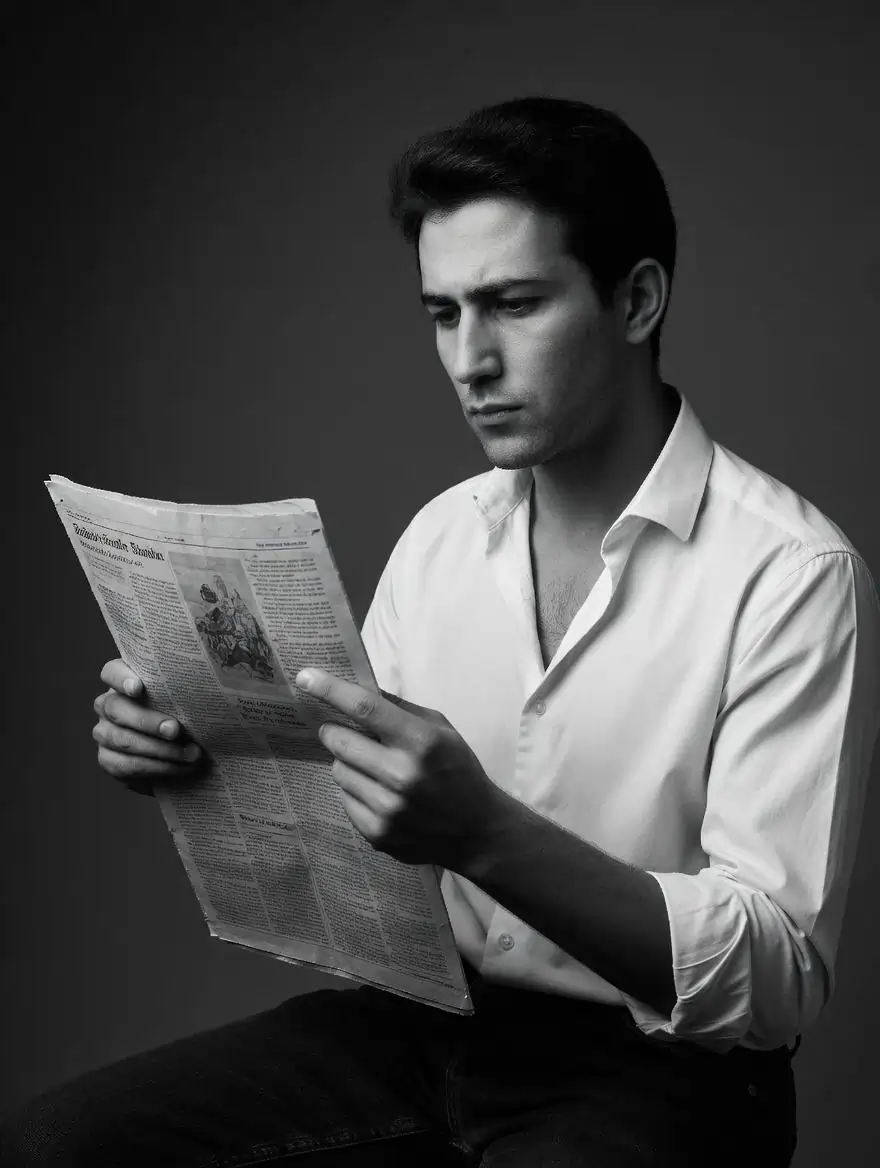
Nadav Kander is an Israeli-born, London-based artist whose work operates on the darker side of the spectrum. Kander’s people are psychologically haunting, their eyes raising more questions than there are answers.
Beneath the Surface
He is an explorer of what lies beneath the surface. Often, his portraits contain subjects who, even in a group, appear removed from others, suggesting solitude. Working with a subtle palette, Kander creates a mood of calm quiet thinking or discomfort.
His series Obama’s People, an assignment for The New York Times Magazine, of 52 portraits of key officials in the Obama administration, marked a break from the norm. Rather than making the usual photographs in the halls of power, he shot them in a bare and neutral space, creating a series of portraits notable for their vulnerability.
Landscapes of the Mind
Kander is a landscape photographer of considerable note. His series, Yangtze, The Long River, won the Prix Pictet. In that work, the landscapes themselves often act as portraits, standing in for the psyche of a country in the middle of potentially catastrophic change. This intertwining of portrait and landscape, of interior and exterior, makes him one of the most interesting and powerful portraitists working today.
14. Marco Grob (b. 1965)
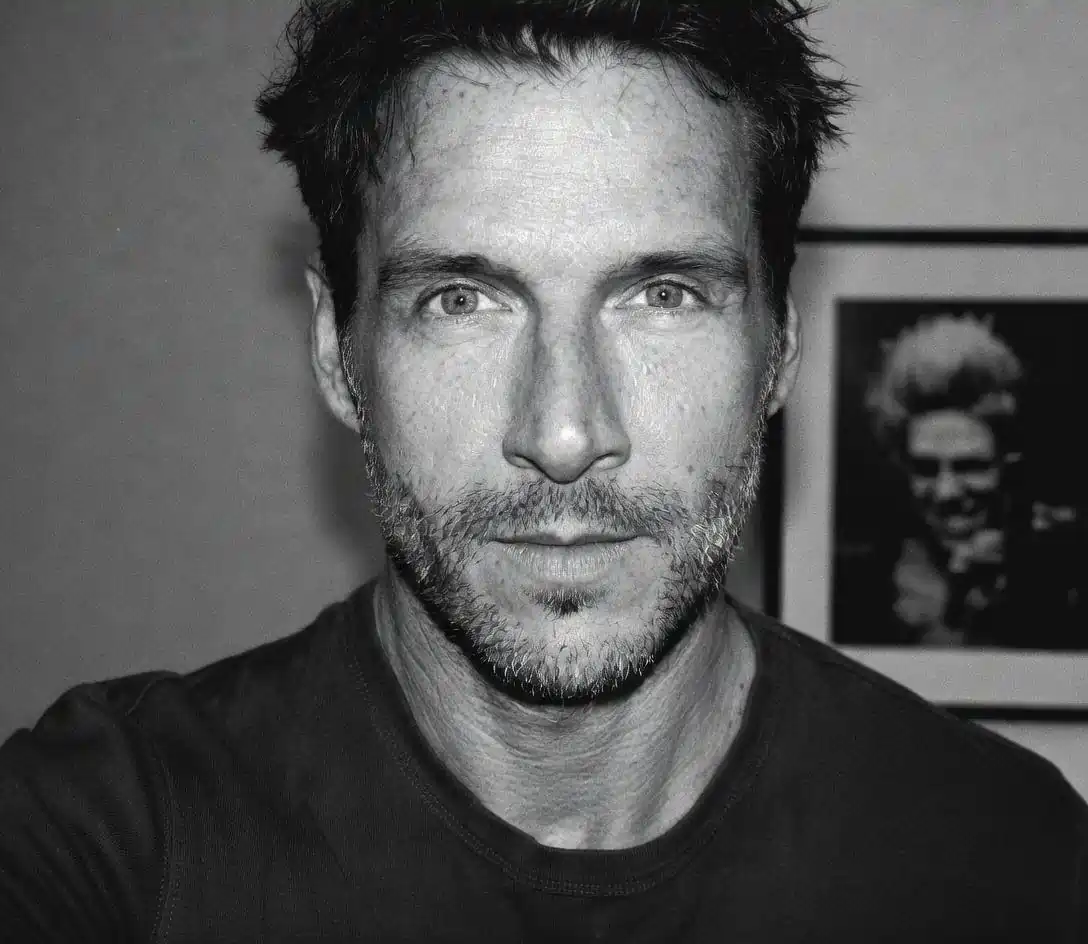
Swiss photographer Marco Grob became well known for his super detailed high contrast black & white portraits. Amazing sculptural detail mixed with extremely detailed intimacy.
The Texture of a Face
Grob portrays faces as if they were landscapes. With dramatic side-lighting which shows every line and every pock on a face, he generates portraits that are avowedly brutal but also intensely respectful, marking the part of life that has been lived, mapped on the topography of the face.
He tends to portray his subjects against sallow colours and a mostly sombre background, which draws our attention to the face. This is clearly seen in his images of George Clooney and Jeff Bridges.
From Celebrities to Soldiers
While he is a regular on the A-list celebrity red carpet, some of Grob’s most striking and troubling work has been documenting US soldiers back from battle, as in a requiem of sorts for 9/11.
For Time, Grob photographed people directly affected by that year’s attacks in a shoot and story titled Beyond 911: Portraits of strength, capturing harrowing events and yet injecting life into the image with his vision.
15. Joey L. (b. 1989)
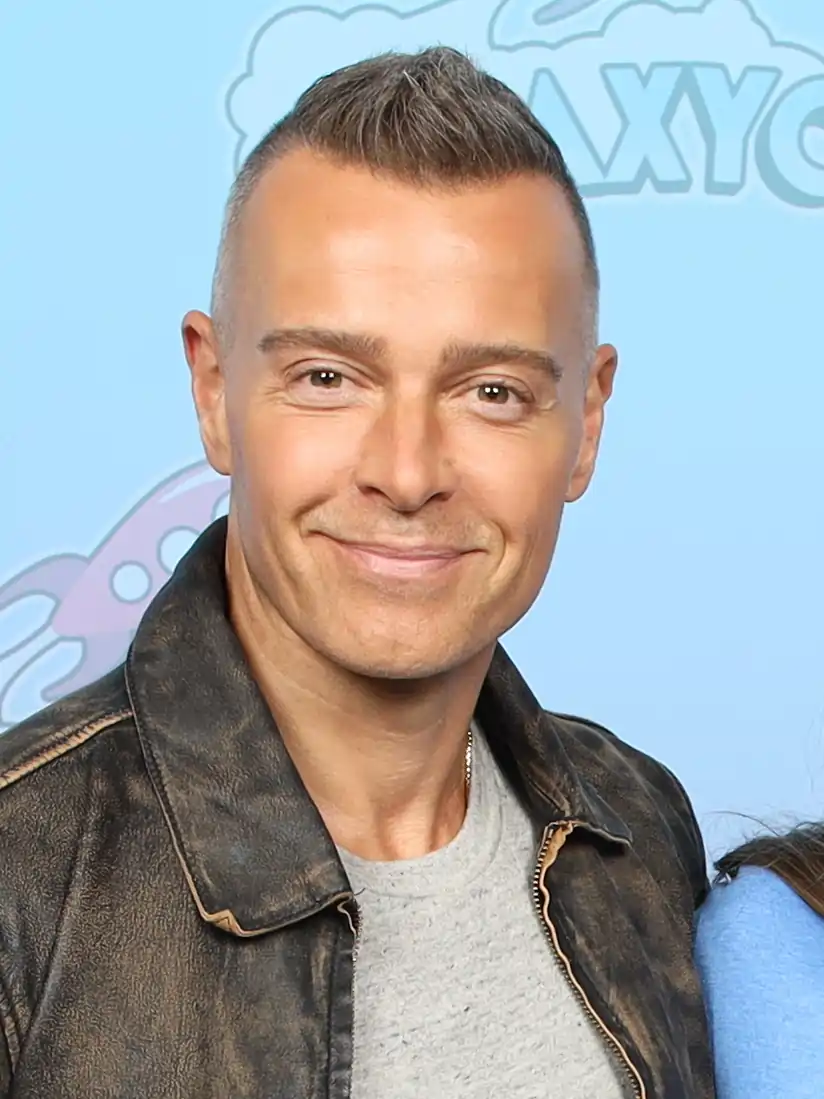
Joey Lawrence, better known as Joey L., represents the new breed of portrait photographers. Born and bred in the digital age, he’s built a commercial career alongside his personal projects from his personal project work.
Movie-like and Authentic
Joey L. has a truly movie-like style. He uses portable strobes on location. He is a master of lighting on site to service the drama of his images that have an epic, timeless and painterly feel but feel genuinely authentic as well. He gained notoriety for his project photographing the holy men of Varanasi, India, where he painted stunningly beautiful portraits.
Many of his projects have documented cultures, people, and communities that are on the verge of disappearing. His series on Kurdish guerrilla fighters, as well as his coverage of the many peoples of Ethiopia, have beautifully captured humanity in all its wild diversity.
The Modern Photographer
What makes Joey L. so important to a new generation, though, is his openness. He shares how he works, his lighting, how his meetings are run, through tutorials and blog posts. With several different tutorials, Joey has made easier to understand the steps to creating world-class portraits, and many a young person has picked up a camera because of that inspiration.
He bridges the gap between fine art and photojournalism and commercial work – he is important for what it means to be a “popular” portrait photographer in the 21st century.
The Enduring Power of a Portrait
From the classical beauty of Yousuf Karsh to the intimate immediacy of Rineke Dijkstra, these portrait masters teach us of possibility. They teach us that a great portraiture is no technical exercise, but a thing that beats with living connection; curiosity, empathy, a wish to learn.
These works resonate. Even though many of them, particularly when they depict people, are of mere mortals—who could use an ounce of our judgment—they excel. The photographs’ very absence of the grand gestures reminds us of the best of ourselves, whenever this is not worthy of a gallows.
These works resonate. Even though many of them, particularly when they depict people, are of mere mortals—who could use an ounce of our judgment—they excel. The photographs’ very absence of the grand gestures reminds us of the best of ourselves, whenever this is not worthy of a gallows.
Most images used in this blog are from Wikimedia Commons and generated with Grok AI.
If you want to know who is the most photographed person in the world, click here.