
Key Takeaway: Realism in photography is about capturing real faces, real streets, and honest light without fake filters or removing context. True realism pictures keep the power lines, wrinkles, and rainy imperfections because candid moments and natural light tell the real story.
I was stuck in Brooklyn, waiting for a delayed subway. It was humid, that heavy late-summer kind of humid. Across the street, a guy in a diner uniform was on his break, sitting on an upturned milk crate, eating fries straight from the carton. Behind him, the neon sign of the diner was buzzing and half broken. A kid rode past on a bike with a squeaky chain. Nothing beautiful. Nothing Instagram ready.
I lifted my old camera without thinking and clicked once.
Later, when I showed that photo, a friend didn’t say “nice composition” or “nice colors.” He said, “I can hear that street.”
That is what a true realism picture does. It doesn’t impress you. It transports you.
And if you have been searching for photography and realism, realism and photography, photography realism, or trying to understand the difference between a realism picture and photo realistic art, this is the guide I wish someone had given me years ago.
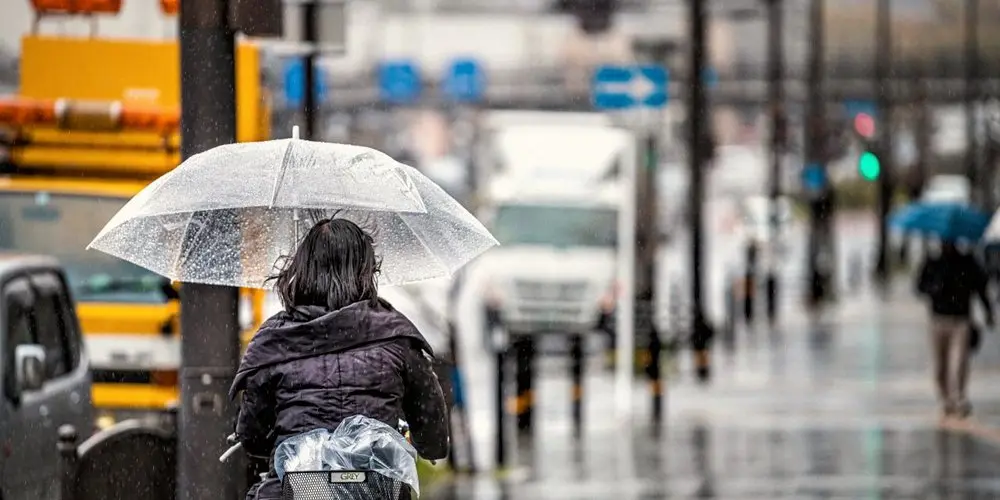
Table of Contents
What Realism in Photography Really Is
Let’s clear the confusion, because Google is confused too.
When you search for realism in photography, most top results talk about photorealism painting. That is painting that looks like a photo. That’s art photorealism. That’s not what we do.
Here is the simple version I use:
Realism in photography, also called photographic realism or realism photography, is the practice of photographing something exactly as it is, without making it prettier or more dramatic than it is.
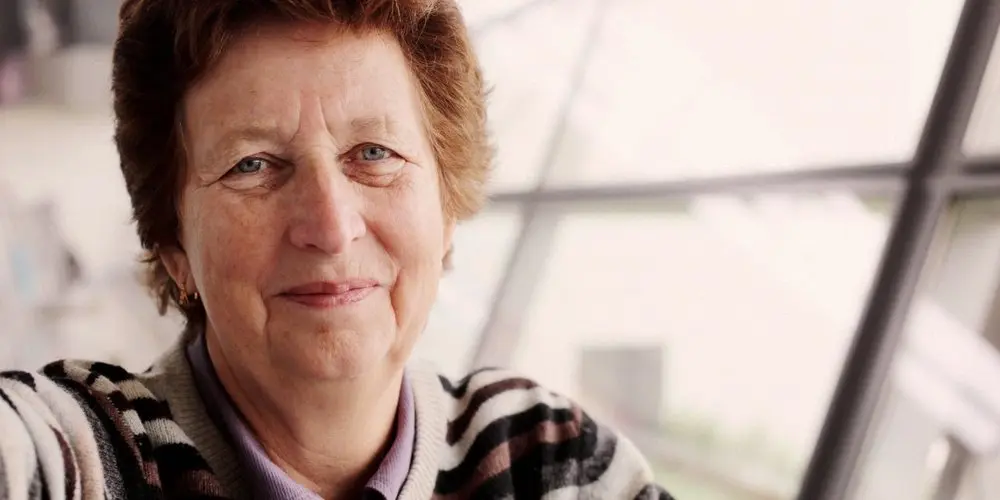
You show the wrinkle, not the smoothed skin. The chipped paint on the house, not the Photoshop-fixed version. The crowded street with trash cans and power lines, not the cleaned-up empty street.
Think of it like this:
Photography realism = The photograph IS the art. Your job is to witness truth.
Art photorealism = The photograph is just reference. The final art is a painting that looks like a photograph.
Photo realistic art / hyperrealism = Art that looks more real than a photo itself. Every pore exaggerated, every detail beyond what a camera can see.
So when we talk about realism and photography, we are talking about a promise you make to your viewer. You are saying, “I was there. This happened. This is how it looked.”
A realism picture is not about being perfect. It is about being honest.
A Short History of Realism and Photography That Actually Makes Sense
The love for realism started long before cameras.
The first idea: camera obscura
Centuries ago, philosophers described a dark room with a small hole. Light comes through and projects the outside world on the wall, upside down. Artists in the Renaissance used it. They would sit inside a tent with a lens and trace what they saw to get proportions right. They wanted realism, and the camera was the tool to get it.
1839: Nature starts drawing itself
When Daguerre and Talbot announced photography, people said nature can now draw itself. No hand needed. For the first time, you could make a realism picture in minutes.
Immediately photographers split into two camps.
One group said, this is too mechanical, too real. Let’s make it look like a painting. They used soft focus and fancy printing to make dreamy images. That was Pictorialism.
The other group said, no. Let’s celebrate what makes photography different. Sharpness, detail, truth.
The rebellion: Straight photography and Group f/64
In the early 1900s, photographers like Paul Strand, Edward Weston, Ansel Adams, and Imogen Cunningham formed Group f/64. f/64 is a tiny aperture where everything from front to back is sharp. No blur. No manipulation. Just reality. This was the birth of straight photography, which is the true foundation of realism in photography.
The golden age of documentary
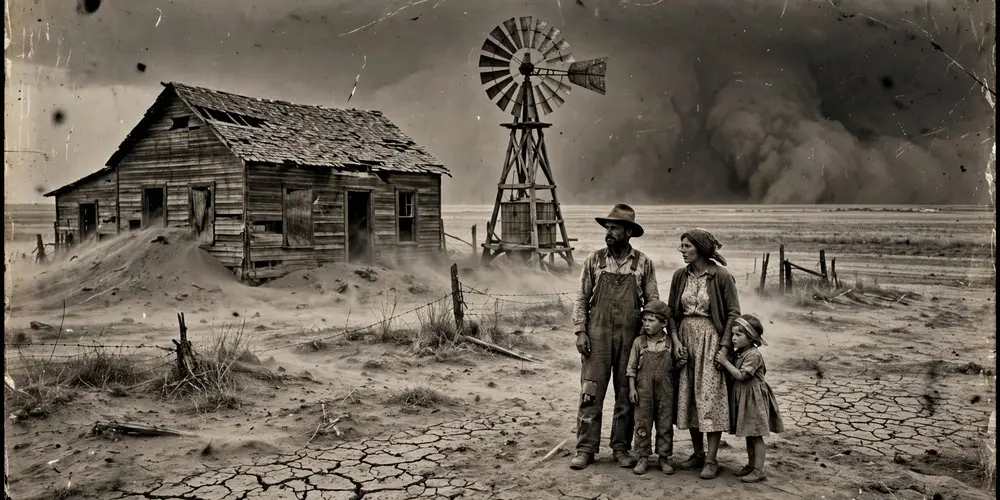
Then came the 1930s. The Dust Bowl and the Great Depression. The government hired photographers to go out and show how tough life was. Dorothea Lange drove through California migrant camps and made Migrant Mother. Walker Evans went to Alabama and photographed sharecropper families exactly as they lived, no posing. Those realism pictures were used as evidence. They changed laws and created programs.
After the war, a new agency called Magnum was born. Photographers like Henri Cartier-Bresson, Robert Frank, and Elliott Erwitt took realism to the streets. They didn’t shoot in studios. They walked in New York, Chicago, New Orleans, and waited for life to happen. That became street realism.
1960s: Painting tries to become photography
Here is the funny twist. Photography became so good at capturing realism that painters felt out of a job. Abstract painting was the cool thing. So some painters rebelled and said, we will paint photographs. Richard Estes painted New York streets with every reflection perfect. Chuck Close painted giant faces from photos using an airbrush. The dealer Louis K. Meisel called it photorealism, also called super-realism or sharp focus realism.
They spent hundreds of hours painting what a photographer captures in 1/500th of a second. That tells you how powerful a true realism picture already is.
Now we are at the same crossroads again. Phones smooth your skin automatically. AI can generate a fake street scene that never existed. So once again, photographers are choosing to go back to honest realism.
Realism Photography vs Art Photorealism vs Photo Realistic Art
If you want to rank for realism picture, realism pictures, art photorealism, and photo realistic art, you need to explain this clearly. I have seen so many portfolios mix them up.
| Comparison point | Realism in Photography | Art Photorealism | Photo Realistic Art / Hyperrealism |
|---|---|---|---|
| Final result | A photograph | A painting or drawing | A painting, sculpture, or digital image |
| Process | See, photograph, and lightly edit | Use a photo as reference and paint the scene | Combine photographic reference and imagination for extreme detail |
| Goal | Truth and documentation | Demonstrate painting or drawing technique | Create an image that appears more detailed than reality |
| Example | A diner cook on a break, photographed on 35mm | A painting of the diner that looks like a photograph | A highly detailed sculpture or digital rendering of the cook |
Why does this matter for you?
If you photograph a small town main street with its laundromat, dollar store, and cracked sidewalk exactly as it is, that is realism photography.
If you go home and paint that main street for 200 hours so people think it is a photo, that is art photorealism.
If you sculpt that street or generate it with AI so every brick has more detail than real life, that is photo realistic art or hyperrealism.
Don’t mix them in your tags or your clients will be confused. Your strength as a photographer is that you capture truth instantly.
The 5 Principles I Follow for True Photographic Realism
These are not from a textbook. These are from years of shooting on streets, at weddings, and messing up a lot of rolls and memory cards.
1. Subject over style.
In realism photography, the person matters more than your preset. I don’t shoot from a dramatic low angle to make someone look heroic if they are not. I shoot at eye level. I ask, am I serving the subject or my ego?
2. Restore, don’t invent.
Some edits make a photo MORE real. If your camera made a warm sunset look blue, fixing white balance is honest. If your photo is too dark and you couldn’t see the face, lifting exposure a little is honest.
Adding a sky that was not there, adding fog, removing a trash can, that is inventing. Don’t do it if you call it realism.
3. Keep the context.
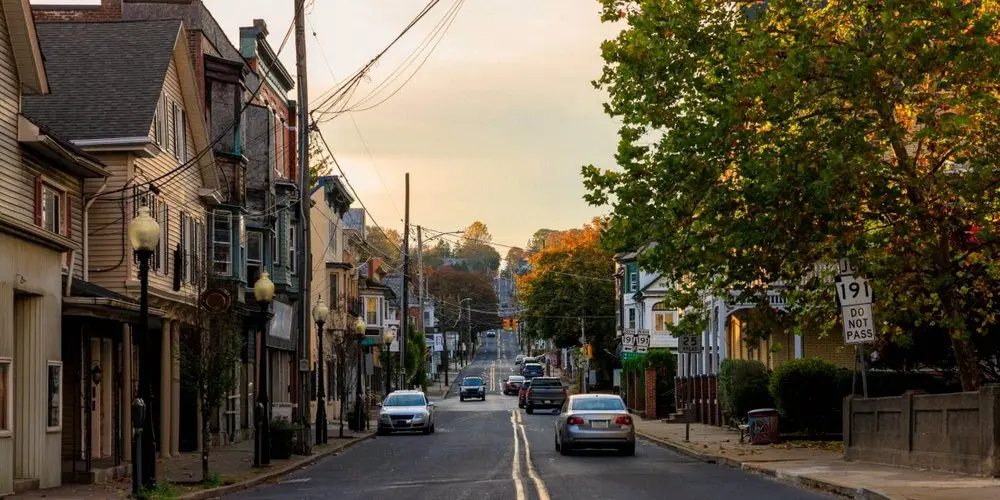
Beginners love to clone out power lines, trash, random people. In realism pictures, that context IS the story. Those power lines over a Midwest street ARE the street. If you remove them, you are lying about that place. A messy frame is often more truthful than a clean one.
4. Be technically honest.
Pictorialism loved blur. Realism loves clarity. That does not mean every photo must be tack sharp, but it should be sharp where it matters. If your photo is blurry because you moved, that is not artistic, that is a mistake. Respect your viewer enough to give them detail.
5. The invisible contract.
When someone looks at a realism picture, especially documentary, they assume you were there and this really happened. There is an invisible contract. If you break it once by faking something, people will doubt all your work. If you directed a moment, say you directed it. If it is composite, say it is. Honesty builds a career.
7 Types of Realism Pictures You Can Actually Build a Career With
Don’t just shoot random real stuff. Pick a lane. It helps you get better and it helps search engines understand you.
1. Documentary Realism
This is evidence. You record a community, an issue, an event. It could be a year-long project on a small farming town, or a week inside a local animal shelter. The goal is to tell truth over time.
2. Street Realism
My addiction. No posing, no permission. Just life in public. A kid jumping over a puddle in Brooklyn, two old men arguing over chess in a park in Chicago, a couple kissing at a bus stop in Los Angeles. Cartier-Bresson called it the decisive moment. You have to be ready.
3. Portrait Realism
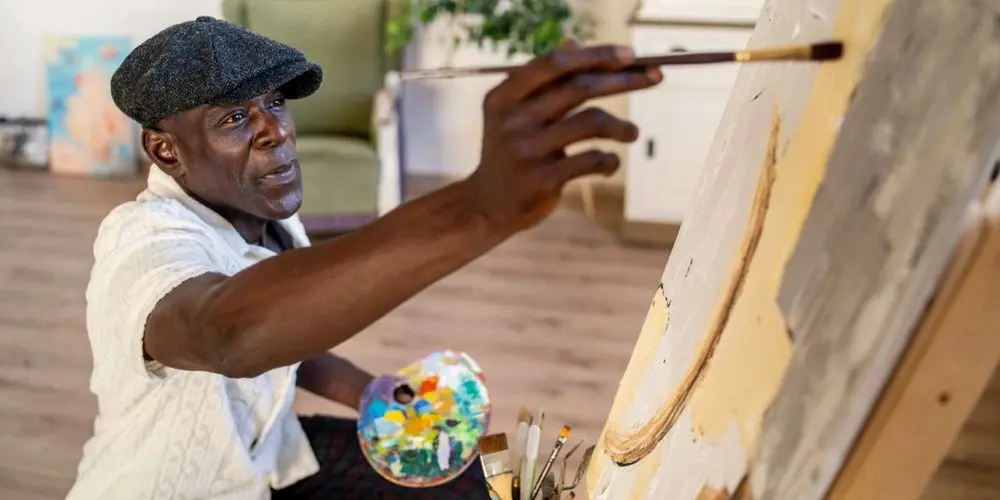
Not glamour headshots with ring lights. Real faces. A mechanic surrounded by tools, a baker with flour on her hands, a fisherman at 5 am. I never smooth skin in realism portraits. Those lines on a face took 60 years to make. Why would I erase them in two seconds?
4. Landscape Realism
Not those over-saturated mountain photos with fake aurora. Real landscapes. Hazy summer in California, flat gray winter in the Midwest, dry grass, real clouds. You can use filters to manage light, but you don’t replace the sky.
5. Social Realism
Documentary with a purpose. You shoot because you want to show something that needs to change. Homelessness, factory work, small town Main Streets shutting down. Salgado’s Workers series is the masterclass.
6. Architectural Realism
How buildings are actually used, not how architects want them to look. Think of Bernd and Hilla Becher’s water towers shot straight on like specimens. Or how people actually live in those suburban apartment complexes versus the brochure.
7. Still Life Realism
Even a still life can be honest. Not the fake burger ad where they use glue for cheese. But your real kitchen table at 11 pm. Coffee cup, open laptop, mail piled up. That is a realism picture too, and people connect with it because they live it.
The Photographers Who Taught Me What Realism Looks Like
Forget gear YouTubers for a month. Study these eyes.
Lewis Hine: In 1908 he photographed kids working in factories and mills. His realism pictures were so powerful they helped create child labor laws.
Dorothea Lange: Migrant Mother. One photo of a worried mother in a tent in California that showed the pain of an entire era. No filter can create that.
Walker Evans: He went to Alabama and shot sharecropper families straight on, no pity, no drama. Just fact. Cold and unforgettable.
Henri Cartier-Bresson: Father of street realism. He never cropped his photos. He said you must compose in the camera.
Robert Frank: His book The Americans showed a gritty, lonely side of roadside life, diners, jukeboxes, and empty highways that glossy magazines hid.
Vivian Maier: A nanny no one knew, who secretly shot thousands of street realism pictures in New York and Chicago. Found in a storage locker after her death. Proof you don’t need fame to shoot truth.
Gordon Parks and Mary Ellen Mark: Parks showed life in Harlem and segregation with dignity. Mark spent months living with her subjects, from street kids in Seattle to circus families.
Look at their realism pictures for ten minutes every day before you shoot. You will start seeing differently.
How to Shoot Realism in Photography – My Field Guide
Okay, enough theory. How do you actually shoot better realism pictures starting tomorrow?
A. Gear
You don’t need new gear. Realism photography is about eye, not price tag.
I shoot 35mm most days. Why? Because 35mm sees almost like your eyes see. 50mm is also great, a little tighter, more intimate. That is why most classic realism pictures were shot on those two.
Avoid ultra-wide like 16mm if you want truth. It stretches faces at the edges and lies. Avoid heavy telephoto like 200mm for everyday life. It compresses everything and makes the background look close, which is not how we experience a street.
Shoot RAW. Always. RAW keeps all the truth your sensor saw.
B. Light
Use natural light. Harsh midday sun is amazing for social realism. It shows texture, sweat, cracks in the wall. Soft morning light is amazing for gentle portrait realism.
I rarely use flash on streets. If I have to indoors at a diner or a shop, I bounce it off the ceiling so it looks like window light. Real life doesn’t have a flash blasting in your face.
C. Composition – The Anti-Instagram Way
This will feel wrong at first because it is opposite of what social media teaches.
Don’t crop too tight. Leave breathing room. Leave the extra person, the extra sign. That extra stuff is the story.
Shoot at eye level. Low angle makes people look powerful. High angle makes them look weak. Eye level is honest. It says, I am equal to you.
Include imperfections. That plastic bag flying, that half-cut car, that kid photobombing. That is life. Perfect is boring.
And wait. Realism photography is 90% waiting. Find a good background, maybe a brick wall with peeling paint or a laundromat window, and just wait. Someone interesting will walk in. Don’t tell them what to do.
D. Mindset
Don’t hunt for beauty. Hunt for truth. Beauty will follow as a bonus.
Talk less, watch more. Smile, but don’t direct.
And always ask for permission after, not before, on the street. If you ask before, the moment dies and people pose. If someone says no after, delete it. Respect is more important than any realism picture.
Editing Realism Pictures – Where I Draw My Line
Everyone asks me, how much Photoshop is allowed in realism photography?
Here is my line after trying everything.
What I DO for realism work:
Fix white balance so it matches what my eyes saw, fix exposure if camera got it wrong, lens correction to fix bending buildings, straighten horizon, a little cropping, remove sensor dust spots, convert to black and white if it helps the feeling, light dodging and burning like they did in the darkroom.
What I DON’T do for realism work:
Sky replacement, adding fog, rain, or light that was not there, removing people, poles, trash cans, power lines, AI generative fill to expand frame, heavy skin smoothing, fake blur, heavy HDR that makes halos, making colors look like a movie poster.
My test is simple. If the person in my photo saw my edit, would they say, yes, this is my place, my shop, my face? If yes, I am still in photographic realism. If they say, where did you get that clean street, I have failed and entered photo realistic art.
If you want to do heavy manipulation, do it. It can be beautiful. But don’t call it a realism picture. Call it digital art or composite. There is nothing wrong with that, as long as you are honest.
Why Realism in Photography Matters
We live in a weird time.
I can type “realism picture of a small town diner at night, neon sign, rain” into an AI tool and get an image that looks 100% real. It is photo realistic art, but no one went to that diner. No rain fell. No cook was there.
And people believe it.
Last month I posted a real photo of a street fair and someone commented “Nice AI.” That stung, but it taught me something important.
When everything can be faked perfectly, real will be valuable.
So if you shoot realism, protect your truth.
Keep your RAW files. Write captions with place, date, story. Shoot a little behind-the-scenes on your phone. Tell people how you got the shot. Show the contact sheet.
The imperfections are now your proof. AI makes perfect, clean, symmetrical images. Real life is messy, awkward, asymmetrical. That little motion blur, that awkward hand gesture, that cluttered background, that is your signature that you were really there.
In a world full of perfect fake images, a slightly imperfect, honest realism picture will stand out. It will have soul.
Final Thoughts
Realism in photography is not a style you download. It is the reason photography was invented in the first place.
While art photorealism celebrates how well a human can copy a photo, and photo realistic art celebrates how well a machine can copy reality, photographic realism celebrates reality itself.
From the first camera obscura to your phone today, the power is the same. This happened. This person existed. This light fell like this for 1/500th of a second and you were there to witness it.
So go out tomorrow morning. Don’t look for a beautiful location. Look for a true location. The corner laundromat, the morning shift at the bakery, the kids waiting for the school bus. Sit there. Watch. And when truth happens, click.
That is realism in photography.
FAQs
Q: What is realism in photography in simple words?
It is photographing things as they truly are, without making them prettier or more dramatic. Honest, unposed, real life.
Q: What is the difference between realism photography and photorealism?
Realism photography is taking real photos to show reality. Photorealism is a painting movement where painters make paintings that look like photos. One uses a camera, the other uses a paintbrush.
Q: Is photo realistic art a photograph?
No. Photo realistic art includes hyperrealistic paintings, sculptures, and AI images that look like photos but are not real photos taken by a camera. A realism picture is always a real photo.
Q: How do I shoot more realistic photos?
Use a 35mm or 50mm lens, use natural light, include context and imperfections, don’t over-edit, and don’t direct people. Wait for real moments.
Q: Can I edit realism pictures?
Yes, but only to fix what the camera got wrong, like exposure and white balance. Don’t add or remove things. If you add a new sky, it is not realism anymore, it is digital art.